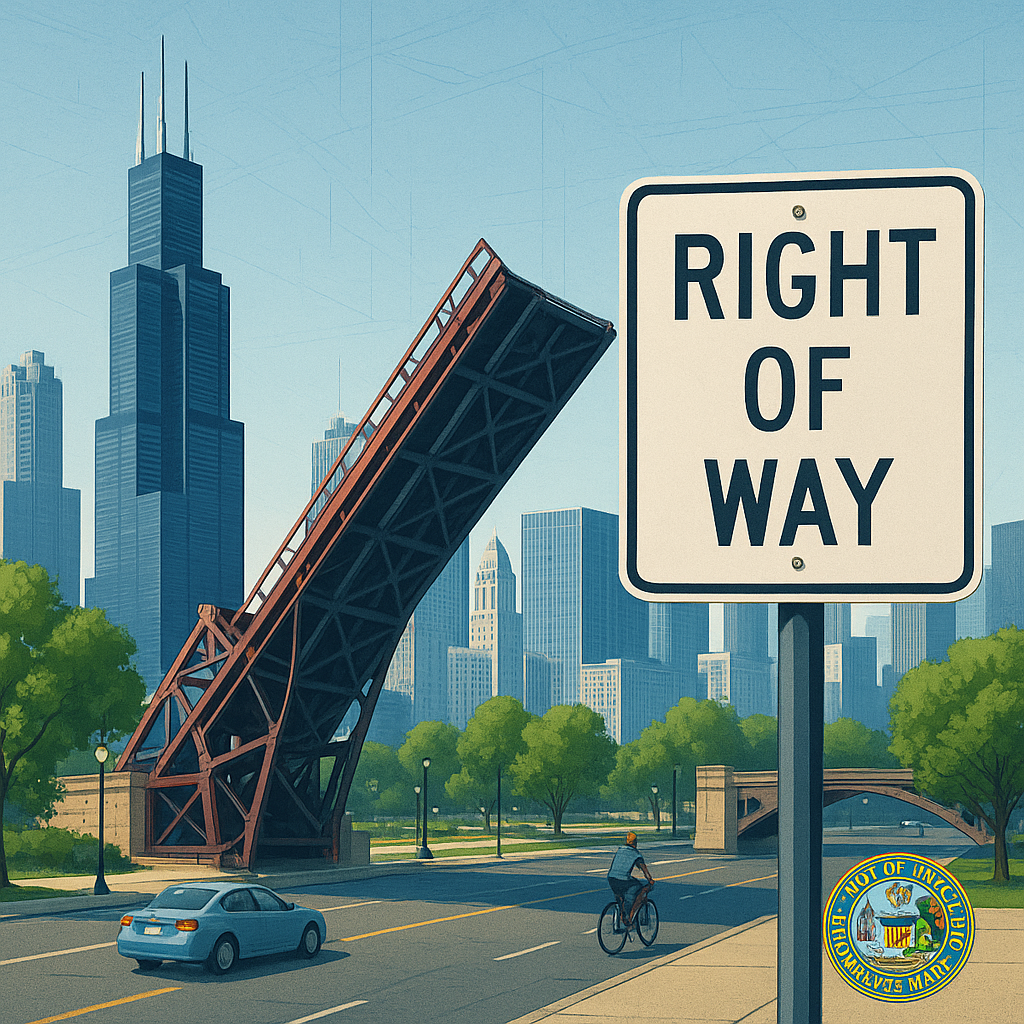
Have you ever wondered what happens if a contractor damages a city bridge or leaves a public walkway in rough shape? In Chicago, the answer often comes down to a special promise called a bridge permit bond. If you’re planning construction, utility work, or any project that touches a bridge or public right-of-way, this bond might be one of the first things the City of Chicago Department of Transportation, or CDOT, asks for.
It might sound like just another piece of paperwork, but a Chicago bridge permit bond plays a huge role in keeping the city safe, clean, and fully functional. Think of it as a financial safety net that protects the public when work happens near bridges, streets, sidewalks, and other public spaces.
What Exactly Is a Chicago Bridge Permit Bond?
A bridge permit bond is a type of surety bond required by the City of Chicago Department of Transportation for certain projects. It’s not insurance for the contractor. Instead, it’s a guarantee made to the city that the contractor will follow all rules, complete the work properly, and fix any damage caused to public property.
When you get this bond, three parties are involved:
- The principal: The contractor or business performing the work.
- The obligee: The City of Chicago, which requires the bond.
- The surety: The bond company that backs the financial guarantee.
In simple terms, the bond says: if the contractor doesn’t hold up their end of the bargain, the city can step in and ask the surety to cover the cost of repairs or other financial damages.
Why Does Chicago Require Bridge Permit Bonds for Right of Way Compliance?
Chicago is a city full of busy streets, historic bridges, underground utilities, and constant development. The public right-of-way includes areas like roads, sidewalks, parkways, alleys, and bridge access points. When work happens in these spaces, there’s always a risk something could go wrong.
A bridge permit bond is a tool CDOT uses to encourage right of way compliance. It ensures that contractors:
- Obtain the correct permits before starting work.
- Follow safety and construction codes.
- Restore the right-of-way to its original condition or better.
- Repair any damage to city-owned property, including bridge structures.
- Complete the project without leaving hazards or eyesores behind.
Think of this bond like a security deposit on an apartment. You still have to follow the rules, but the deposit gives the landlord confidence that if something gets damaged, there’s a way to pay for it. For the City of Chicago, the bridge permit bond works the same way.
Who Needs a Chicago Bridge Permit Bond?
Not every project in Chicago will require this bond. But if your permit involves work near or on a bridge, overpass, viaduct, or another sensitive public right-of-way, there’s a good chance CDOT will ask for one.
Common examples of who might need a bridge permit bond include:
- General contractors working on bridge repairs or modifications.
- Utility companies installing lines under or near bridges.
- Excavation crews digging near bridge foundations or abutments.
- Developers whose projects impact sidewalks, streets, or public walkways.
- Heavy haulers or crane operators needing temporary bridge access.
If you’re unsure whether your project needs a bond, the best move is to contact CDOT directly or review your permit application carefully. The city will usually list the bond requirement and the exact amount you need.
How Does a Bridge Permit Bond Work in Real Life?
Let’s walk through a simple example. Imagine a contractor gets a permit to run utility pipes beneath a Chicago street near a bridge. During the work, a section of the sidewalk is cracked, and the contractor doesn’t repair it properly.
The city inspects the area and sees the damage. They may first ask the contractor to fix it. If the contractor ignores the request or refuses to pay, CDOT can file a claim against the bridge permit bond.
At that point, the surety company investigates the claim. If it’s valid, the surety will pay the city up to the bond amount. But here’s the key: the contractor must then reimburse the surety for every penny paid out. That’s why most contractors work hard to avoid bond claims in the first place.
How Much Does a Chicago Bridge Permit Bond Cost?
The total bond amount is set by the city based on the project’s size and risk. However, contractors don’t have to pay the full amount upfront. Instead, they pay a premium, which is a small percentage of the total bond value.
For most contractors, that premium ranges from about 1% to 5% of the bond amount. So if the city requires a $50,000 bridge permit bond, you might pay between $500 and $2,500 for the bond.
Several factors affect your exact premium:
- Your personal credit score.
- Your business financial history.
- The total bond amount required.
- The length of time the bond needs to stay active.
Contractors with strong credit and solid financial statements typically get the best rates. But even if your credit isn’t perfect, there are often options available through special surety programs.
How to Get a Bridge Permit Bond in Chicago
The process of getting a bridge permit bond doesn’t have to be confusing. In most cases, you can have your bond approved within a day or two if you’re prepared.
Here’s a simple step-by-step guide:
- Confirm your bond requirement: Check with CDOT or your permit documents to find out the exact bond amount and form required.
- Choose a licensed surety bond agency: Work with a company that understands Illinois and Chicago permit bonds.
- Complete a bond application: You’ll typically provide basic business information, ownership details, and sometimes financial records.
- Get a quote: The surety will review your application and give you a premium quote.
- Pay the premium: Once you pay, the surety issues the bond.
- File the bond with CDOT: Submit the bond to the city as part of your permit package.
It’s always smart to keep a copy of the bond for your own records and make sure it stays valid for the entire duration of the project.
Bridge Permit Bond vs. Insurance: What’s the Difference?
This is one of the most common questions contractors ask. While both involve protection, they work in opposite ways.
Insurance protects the contractor from unexpected losses, like damage to their own equipment. A bridge permit bond protects the City of Chicago and the public from the contractor’s failure to follow rules or complete work properly.
Another big difference is who pays for a claim. With insurance, the insurance company pays and the contractor doesn’t usually have to reimburse them. With a surety bond, the surety expects the contractor to pay back any claim amount.
Tips for Staying Compliant with CDOT Right of Way Rules
Getting your Chicago bridge permit bond is only the first step. Staying compliant throughout the project is just as important. Here are a few practical tips:
- Read your permit carefully: Understand every condition before you start.
- Document existing conditions: Take photos and videos of the site before any work begins.
- Call before you dig: In Illinois, contacting JULIE at 811 is required before excavation.
- Communicate with CDOT: If something changes on the project, let the city know immediately.
- Schedule inspections on time: Don’t skip required city inspections.
- Complete the restoration work: Make sure sidewalks, roads, and bridge areas are restored to CDOT standards.
Following these steps helps you avoid claims, delays, and costly penalties.
Final Thoughts on Chicago Bridge Permit Bonds
A Chicago bridge permit bond may seem like just another requirement, but it’s really a promise to the community. It says you’ll do the job right and protect the public spaces that thousands of people rely on every day.
Whether you’re working near a historic bridge, repairing a sidewalk, or installing utilities under a busy street, understanding your bond requirements is a key part of right of way compliance. Plan ahead, work with a trusted surety agency, and keep communication open with the City of Chicago Department of Transportation.
When you have the right bond in place and follow the rules, your project can move forward smoothly, safely, and without unnecessary surprises.