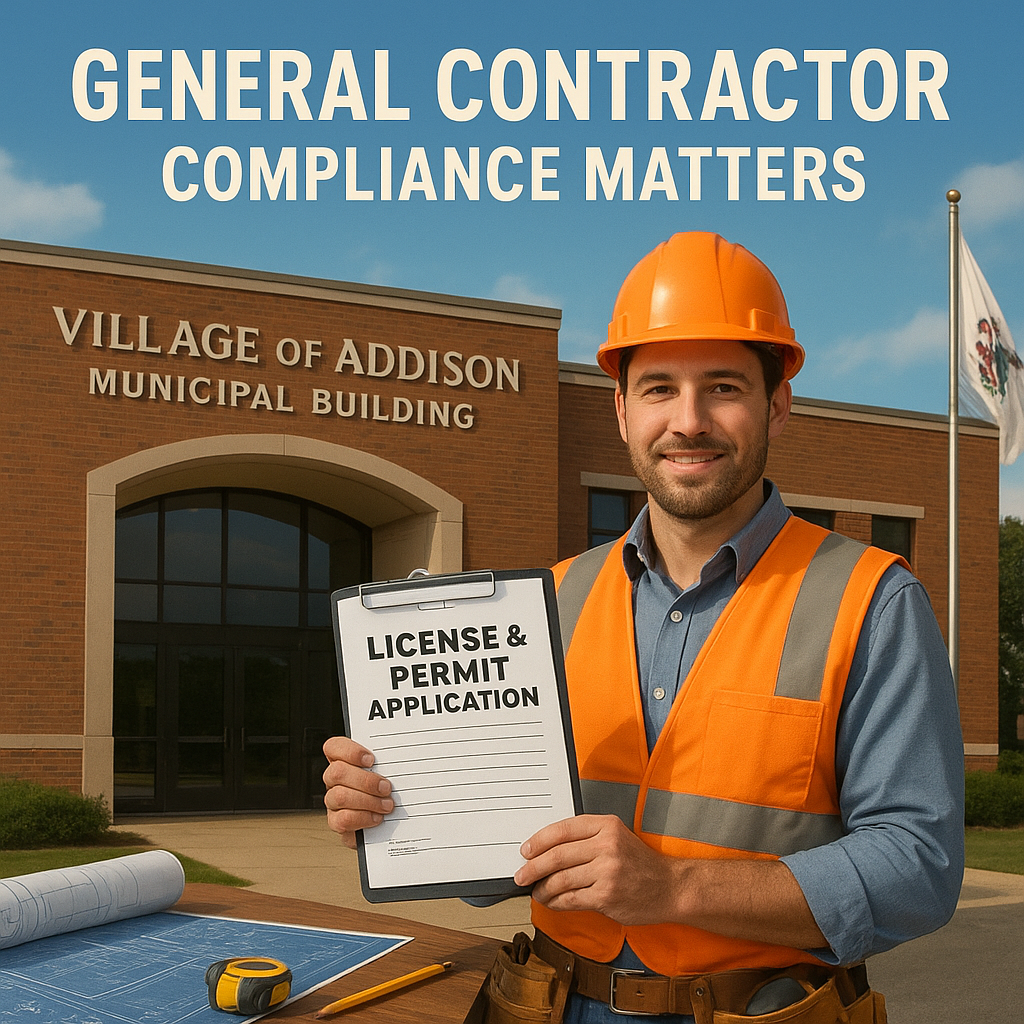
If you are planning to work as a contractor in Addison, Illinois, you may already know that the path from handshake to completed project has a few important stops along the way. Licenses, permits, and bonds can feel like confusing paperwork, but they all exist for a simple reason: keeping construction safe, legal, and organized for everyone involved.
Whether you are a general contractor building a new addition or a specialist tackling an electrical upgrade, understanding the rules in the Village of Addison can save you time, money, and a lot of frustration. Let’s break it all down in plain language.
Why Addison Takes Contractor Licensing Seriously
Imagine buying a car without a title or letting someone fix your roof without proof they know what they are doing. That uneasy feeling is exactly what local contractor rules are designed to prevent. Addison, like many Illinois communities, uses licensing and permits to make sure contractors meet basic standards before they start working.
For property owners, this means peace of mind. For contractors, it means a clearer path to doing business the right way. The Village of Addison wants to see that you understand local building codes, carry proper insurance, and have a financial safety net in place if something goes wrong.
Do You Need a Contractor License in Addison?
In most cases, yes. While Illinois does not have a single statewide general contractor license, local municipalities often step in with their own requirements. Addison is no exception. If you are performing construction, remodeling, electrical, plumbing, or mechanical work within the village, you will likely need some form of local registration or license.
General contractors usually need to register with the village before pulling permits. Subcontractors may also need to provide proof of insurance and license information. The exact requirements can vary depending on the type of work you do, so the best first step is always to contact the Village of Addison directly or visit their building department website.
What Does “Compliance Only” Mean?
You may come across the term “General Contractor – Compliance Only” when looking at Addison contractor bonds. This phrase simply means the bond is focused on making sure the contractor follows local rules, codes, and permit conditions. It is not typically a warranty for workmanship or a guarantee that every nail and tile will be perfect.
Think of it like a seatbelt law. The bond does not promise you will never get into an accident, but it does require you to follow the rules of the road. If you break those rules, there is a financial consequence.
What Is a Contractor License and Permit Bond?
A contractor license and permit bond is a type of surety bond that many municipalities require before they will issue a license or permit. It protects the village and, in some cases, property owners from financial loss if a contractor fails to comply with local ordinances.
Here is how it works in simple terms. Three parties are involved:
- The principal: That’s you, the contractor.
- The obligee: That’s the Village of Addison, which requires the bond.
- The surety: That’s the company backing the bond financially.
If you follow the rules, the bond stays quietly in the background. If you violate permit conditions, abandon a job, or fail to meet code requirements, a claim can be filed against the bond. The surety may pay out, but you are ultimately responsible for repaying that amount.
License vs Permit vs Bond: What’s the Difference?
These three words often get mixed up, but they serve different purposes.
A license gives you permission to operate as a contractor in Addison. It is like a driver’s license for your business.
A permit gives you permission to do a specific project. It is like getting a green light for a particular trip.
A bond is a financial guarantee that you will follow the rules while using that license and permit. It is like having insurance for your promise to play by the rules.
Common Steps to Get Licensed and Permitted in Addison
Every project is different, but most contractors in Addison will follow a similar path. Here is a general roadmap to help you get started.
Step 1: Contact the Village Building Department
Before you sign a contract or schedule any work, reach out to the Village of Addison. Ask about the current licensing requirements for your specific trade. Requirements can change, and getting the details straight from the source can save you from costly mistakes.
Step 2: Submit Your Application
You will typically need to complete an application that includes your business name, contact information, and details about the type of work you perform. Some contractors may also need to provide proof of experience or relevant state-level certifications.
Step 3: Provide Proof of Insurance
Addison will likely ask for a certificate of liability insurance. This protects you and your clients if property is damaged or someone is injured during the project. Minimum coverage amounts can vary, so double-check what the village requires.
Step 4: Obtain Your Contractor License and Permit Bond
If a bond is required, you will need to purchase one from a licensed surety company. Many contractors are surprised by how affordable this can be. You do not pay the full bond amount. Instead, you pay a small percentage, often based on your credit and business history.
For example, if Addison requires a $10,000 bond, you might only pay a few hundred dollars per year to keep it active. That small investment can open the door to bigger projects.
Step 5: Pull Permits for Each Project
Once your license and bond are in place, you can apply for permits on individual jobs. The village will review your plans, check for code compliance, and issue the necessary permits before work begins.
Permit Requirements You Should Know
Permits are not just red tape. They are a way for the village to inspect work at key stages and make sure everything is safe. In Addison, building permits are commonly required for:
- New construction and home additions
- Structural changes or foundation work
- Roofing and siding projects
- Electrical upgrades and panel changes
- Plumbing installations and repairs
- Mechanical and HVAC work
- Fences, decks, and patios
- Sign installation for businesses
Even if a project seems small, it is always better to ask the village first. Working without a permit can lead to stop-work orders, fines, and trouble when you try to sell or refinance the property later.
How Much Does a Contractor Bond Cost in Addison?
The cost of a contractor bond depends on the required bond amount and your personal credit score. Most contractor license and permit bonds fall between $5,000 and $25,000. The premium you pay is usually between 1% and 10% of that amount.
Let’s look at a simple example. Suppose the village requires a $10,000 bond. A contractor with good credit might pay around $100 to $300 per year. A contractor with lower credit might pay closer to $500 or more. Either way, it is a small price compared with the cost of losing a job due to missing paperwork.
Tips for Staying Compliant and Avoiding Delays
No contractor wants to be stuck waiting on paperwork while the sun is shining and the crew is ready to work. These practical tips can help you keep your Addison projects moving smoothly.
Start Early
Apply for your license, bond, and permit as soon as you know a project is moving forward. Waiting until the last minute can delay your start date and frustrate your client.
Keep Your Documents Organized
Maintain digital copies of your license, insurance certificates, and bond paperwork. If the village asks for proof, you can send it in minutes instead of scrambling through old files.
Know Your Expiration Dates
Licenses and bonds typically expire every year or every two years. Set reminders well in advance so you never accidentally work with an expired document.
Schedule Inspections on Time
When you pull a permit, the village will usually require inspections at certain stages. Missing an inspection can halt your project. Keep the inspection schedule in your calendar and treat it like any other critical appointment.
Communicate With Your Clients
Let your clients know why permits and inspections matter. When everyone understands the process, there are fewer surprises and fewer last-minute calls asking why work has paused.
Questions Contractors Often Ask
Do I need a license for small handyman jobs?
It depends on the scope of the work. Minor repairs like painting or replacing a faucet may not require a license in Addison, but anything involving structural, electrical, plumbing, or mechanical changes often does. When in doubt, call the village building department.
Can I use the same bond for multiple projects?
Yes. A contractor license and permit bond usually covers your overall compliance as a contractor, not just one job. You still need separate permits for each project, but the bond often stays in place for the entire term.
How long does it take to get a permit in Addison?
Simple permits may be approved in a few days. Larger projects that require detailed plan review can take longer. Submitting complete and accurate plans from the start is the best way to speed things up.
What happens if I work without a permit?
Working without a required permit can result in fines, a stop-work order, and additional fees to correct the situation. It can also make it harder to pass inspection later. The short-term temptation to skip the paperwork is almost never worth the long-term risk.
Final Thoughts
Getting licensed and permitted in Addison, Illinois, may seem like a lot of hoops to jump through, but each step has a purpose. Licenses show you are qualified. Permits ensure your work is checked for safety. Bonds offer a financial promise that you will follow the rules.
When you handle these requirements before the first hammer swings, you protect your business, your clients, and your reputation. The process becomes less of a headache and more of a routine part of doing quality work.
If you are ready to start a project in Addison, take a deep breath, gather your paperwork, and work through the checklist one step at a time. With the right preparation, you can keep your projects on track and build a business that stands on solid ground.