If you’re planning an infrastructure project in Sycamore, Illinois, you’ve probably heard the phrase “right-of-way regulations” more than once. It can sound a little intimidating at first, especially if you’re new to construction, utilities, or public works. But here’s the good news: once you understand the basics, navigating the City of Sycamore’s right-of-way rules is completely manageable. And if your project involves work in public spaces, a City of Sycamore Right of Way Bond will likely be part of the conversation.
What Does “Right of Way” Actually Mean?
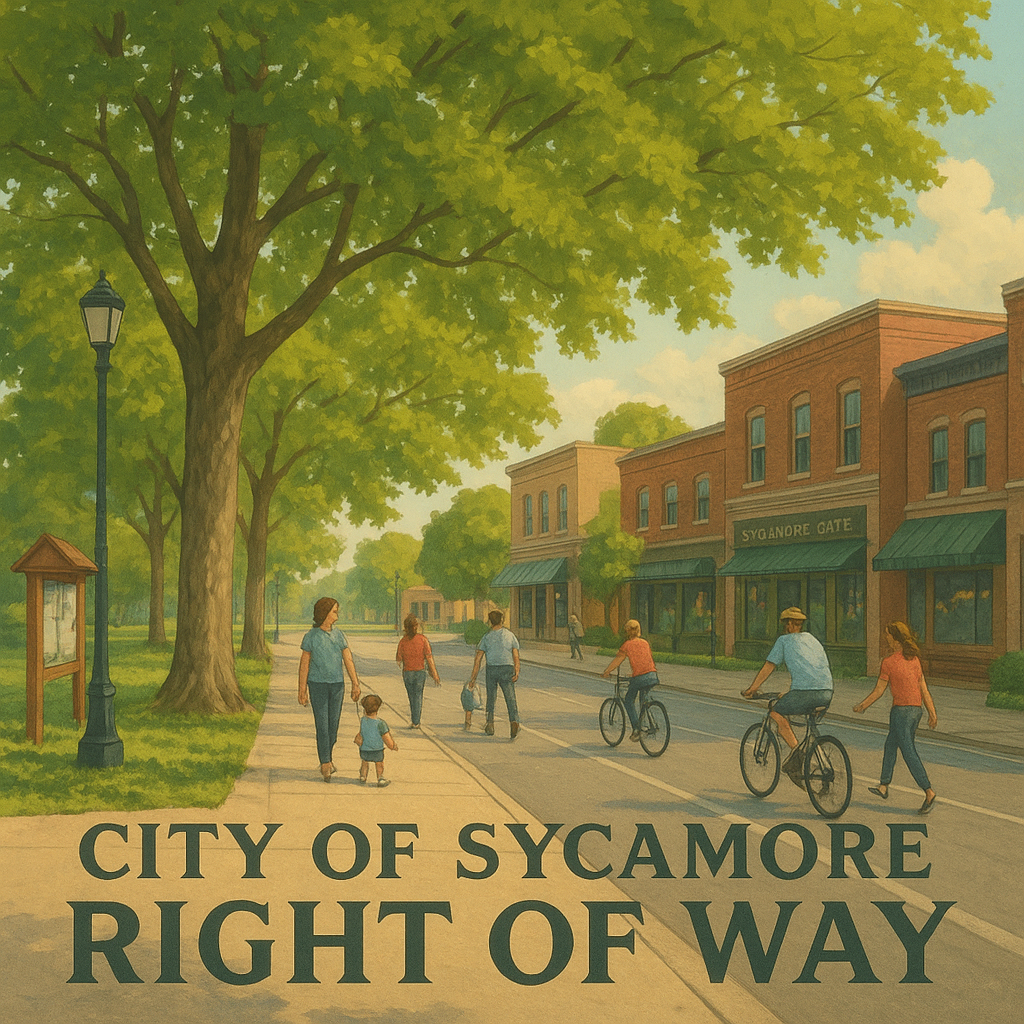
Before diving into bonds and permits, let’s break down the term itself. A right-of-way is simply a strip of land that’s reserved for public use. Think of the space where sidewalks, curbs, street signs, utility poles, and sometimes underground pipes or cables live. It’s often located next to or underneath a public street.
In Sycamore, like many Illinois communities, the city manages these areas to keep them safe and functional for everyone. If your project will disturb a right-of-way—whether you’re laying fiber optic cable, repairing a water main, or installing a new driveway approach—you need to follow local regulations. That’s where the City of Sycamore Right of Way Bond comes into play.
What Is a City of Sycamore Right of Way Bond?
A right-of-way bond is a type of surety bond. Put simply, it’s a financial promise between three parties:
- The principal: the contractor or developer doing the work.
- The obligee: the City of Sycamore, which requires the bond.
- The surety: the bonding company that backs the contractor’s promise.
Think of it like a security deposit. When you rent an apartment, you put down money in case something gets damaged. A right-of-way bond works in a similar way, but instead of handing over cash, you purchase a bond that guarantees you’ll restore the public right-of-way to its original condition—or better—after your work is done.
If a contractor fails to restore sidewalks, pavement, or landscaping properly, the city can file a claim against the bond. The bonding company would then cover the cost of repairs, and the contractor would ultimately be responsible for paying that amount back. This system protects Sycamore taxpayers from footing the bill for unfinished or sloppy work.
Why Does the City Require These Bonds?
You might be wondering: why all the paperwork just to dig a trench or replace a section of sidewalk? The answer comes down to public safety and quality control.
Sycamore’s right-of-way areas are shared by drivers, pedestrians, cyclists, and essential utilities. When a project leaves behind a pothole, unstable pavement, or an unsafe sidewalk, it affects everyone. The bond requirement encourages contractors to do the job right the first time. It also gives the city a clear path to fund repairs if something goes wrong.
For example, imagine a utility contractor opens up a section of street to install new lines. Weeks later, that section begins to sink because the backfill wasn’t compacted correctly. Without a right-of-way bond, the city might have to chase down the contractor for repairs or use local tax dollars to fix the problem. With the bond in place, the remedy is much more straightforward.
Who Needs a Right of Way Bond in Sycamore?
Generally speaking, any person or company that plans to work within a public right-of-way in Sycamore may need a bond. Common examples include:
- Utility contractors installing water, sewer, gas, electric, or telecom lines.
- Developers whose projects require new curb cuts, sidewalks, or street improvements.
- Excavation and grading companies working near public roadways.
- Private contractors doing driveway replacements or other access improvements.
If you’re not sure whether your project falls under these rules, the best move is to contact the City of Sycamore directly. A quick conversation with the public works or permitting office can save you a lot of time and guesswork.
How to Navigate Sycamore’s Right-of-Way Regulations Step by Step
Every project is different, but the general process often follows a similar path. Breaking it into smaller steps can make the whole thing feel much less overwhelming.
Step 1: Define Your Project Scope
Before you apply for any permits or bonds, get clear on exactly what you’ll be doing. Where will the work happen? How long will it take? What parts of the right-of-way will be disturbed? Having answers to these questions in hand will help every other step go faster.
Step 2: Contact the City Early
Many delays happen because contractors wait too long to talk to the city. Reach out to Sycamore’s public works or engineering department early in your planning process. They can tell you which permits you need, what bond amount is required, and whether any special inspections will apply.
Step 3: Secure a Right of Way Bond
Once you know the required bond amount, you can work with a surety bond provider to purchase the bond. The cost is usually a small percentage of the total bond amount—often between 1% and 5%, depending on your credit and financial history. For example, a $25,000 bond might cost a well-qualified contractor only a few hundred dollars per year.
Step 4: Complete the Work with Care
With your permits and bond in place, you’re ready to start. During construction, follow all city guidelines for safety, signage, and site protection. Pay close attention to restoration details like pavement depth, curb alignment, and topsoil replacement. These details matter when the city inspects your work.
Step 5: Schedule Final Inspections
After the work is finished, the city will likely inspect the site to make sure everything meets local standards. If something needs to be corrected, handle it promptly. Once the city is satisfied, your bond obligation can typically be released or closed out.
How Much Does a Right of Way Bond Cost?
It’s important to remember that a bond is not insurance—it’s a guarantee. The amount you’ll need depends on the scale of your project and the city’s requirements. Smaller jobs might need a $10,000 bond, while larger infrastructure projects could require $100,000 or more.
Your actual out-of-pocket cost—the premium—depends on several factors, including the bond amount, your credit score, and your business history. Contractors with strong credit often pay the lowest rates. Those with credit challenges may still qualify, but they might pay a higher percentage.
Rather than guessing, request a quote from a surety bond provider familiar with Illinois municipal bonds. They can help you understand your options and find a solution that fits your budget.
Common Mistakes to Avoid
Even experienced contractors can hit bumps in the road when dealing with right-of-way regulations. Here are a few common missteps to watch out for:
- Skipping communication with the city: Assuming you know the rules without checking can lead to expensive delays.
- Underestimating restoration costs: The bond exists to cover repairs, but you don’t want to trigger a claim. Restore public areas properly the first time.
- Choosing the wrong bond amount: Always confirm the exact amount with the city before purchasing your bond.
- Missing permit deadlines: Some permits have expiration dates. Keep track of timelines so your project doesn’t stall.
- Ignoring weather conditions: Illinois weather can change quickly. Plan paving and concrete work around forecasts to avoid poor results.
A Simple Analogy to Remember
Think of Sycamore’s right-of-way like a borrowed tool. The city is letting you use public land to complete your infrastructure project. When you borrow a tool, you promise to return it in the same shape—or better—than you found it. The right-of-way bond is simply the written guarantee behind that promise. It protects everyone involved and keeps the community looking and functioning as it should.
Planning Ahead Makes All the Difference
Navigating Sycamore’s right-of-way regulations for infrastructure projects doesn’t have to be stressful. With a clear project scope, early communication with the city, and the right bond in place, you’ll be well on your way to a smooth, successful job. Whether you’re a seasoned contractor or a first-time developer, taking these steps seriously can save you time, money, and headaches down the road.
So before you break ground, ask yourself: Do I know which public spaces my project will affect? Have I confirmed the bond amount with the city? Is my team prepared for proper restoration? If you can answer yes to those questions, you’re already ahead of the game.
The City of Sycamore’s rules are there to protect the community, keep infrastructure safe, and make sure every project leaves the public right-of-way in great condition. With the right preparation—and the right bond—you can meet those expectations with confidence.