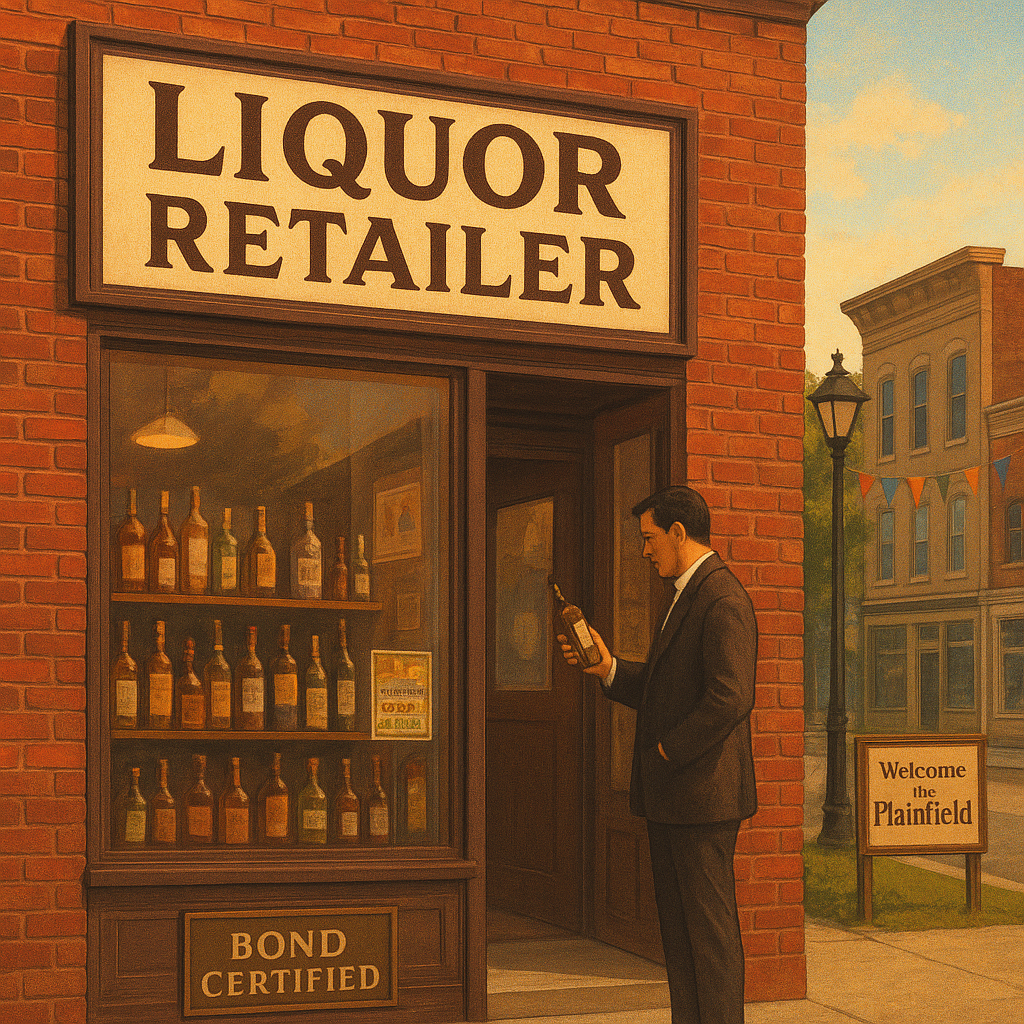
If you’re planning to sell beer, wine, or spirits in Plainfield, Illinois, there’s one requirement that often catches new business owners off guard: the retail dealer in alcoholic liquors bond. You may already have your business plan, your location, and your license application started. Then the village mentions a bond, and suddenly everything feels a little more complicated.
Don’t worry. A Plainfield liquor bond is not as intimidating as it sounds. In this guide, we’ll break down what it is, why it’s required, how much it might cost, and how you can get one without losing sleep.
What Is a Retail Dealer in Alcoholic Liquors Bond?
Let’s start with the basics. A retail dealer in alcoholic liquors bond is a type of surety bond. It works like a financial promise between three groups:
- The principal: That’s you, the business owner or alcohol retailer.
- The obligee: That’s the Village of Plainfield, Illinois.
- The surety: That’s the bond company backing your promise.
Think of it as a security deposit for good business behavior. The village wants to know that if you fail to follow local liquor laws, pay required taxes, or meet other obligations, there’s money available to cover the problem. The bond doesn’t protect your business. Instead, it protects the public and the village.
In simple terms, the Village of Plainfield asks for this bond to make sure alcohol retailers play by the rules. If you break those rules, a claim can be made against the bond.
Why the Village of Plainfield Requires This Bond
Plainfield is a growing community that takes its local regulations seriously, especially when it comes to alcohol sales. Selling liquor comes with extra responsibility. The village wants to reduce risks such as underage sales, licensing violations, unpaid fees, and other issues that can harm the community.
Requiring a Plainfield Illinois liquor bond gives the village a layer of financial protection. If a retailer violates local ordinances, the bond can help cover fines, penalties, or unpaid taxes. It also encourages business owners to stay compliant because no one wants a claim against their bond.
Have you ever rented an apartment and had to pay a security deposit? A liquor bond works in a similar way. You’re not handing cash directly to the village, but you’re securing a promise that if something goes wrong, there’s a fund available to make it right.
Who Needs an Illinois Liquor Bond in Plainfield?
Not every business needs this bond, but if you plan to sell alcoholic liquor at retail in Plainfield, chances are you will. This typically includes businesses that sell alcohol for off-premises consumption, meaning customers take the product home rather than drinking it on site.
Common examples include:
- Package liquor stores
- Convenience stores selling beer and wine
- Grocery stores with an alcohol aisle
- Gas stations offering beer or malt beverages
- Specialty shops adding a small liquor selection
If your business model falls into one of these categories, the village will likely require a retail dealer in alcoholic liquors bond before you can receive or renew your liquor license. Always check with the Village of Plainfield directly because local requirements can change.
How Much Does a Plainfield Liquor Bond Cost?
This is the question everyone asks first: what’s the price? The good news is you don’t have to pay the full bond amount upfront. The bond amount is the total coverage limit, not your actual cost.
For example, if the village requires a $10,000 bond, you won’t pay $10,000 out of pocket. You’ll pay a small percentage of that amount as a premium. That premium might range from 1% to 5% of the bond amount, depending on your credit and financial history.
So a $10,000 alcohol license bond might cost you somewhere between $100 and $500 per year. If your credit is strong, you’ll likely pay less. If your credit has some bumps, the cost may be higher. The exact bond amount required by Plainfield can vary, so check with the village or a surety bond professional for accurate numbers.
How to Get Your Plainfield Alcohol License Bond
Getting a liquor retailer bond in Plainfield is usually a straightforward process. Here’s a simple path to follow:
- Confirm the required bond amount: Ask the Village of Plainfield or review your license paperwork to find out the exact amount you need.
- Contact a surety bond provider: Look for a company that specializes in Illinois liquor bonds. They’ll guide you through the application.
- Complete a short application: You’ll provide basic business details and sometimes personal information for a credit check.
- Receive a quote: The bond provider will quote your premium based on the bond amount and your financial profile.
- Pay the premium: Once you pay, the bond is issued. You’ll receive a bond form to file with the village.
- Keep a copy for your records: Store the bond with your license and other important business documents.
The whole process can often be completed in a day or two, especially if you work with an experienced bond agency. Many providers offer online applications, making it even easier to check this off your to-do list.
Bond vs. Insurance: What’s the Difference?
People often confuse surety bonds with insurance, but they’re not the same thing. Insurance protects your business from unexpected losses like fire, theft, or liability claims. A liquor retailer bond protects the village and the public if you fail to meet your legal obligations.
If a claim is paid on your bond, the surety company will come back to you for reimbursement. That’s a big difference. With insurance, a covered loss is paid and you move on. With a surety bond, a paid claim is more like a loan you must repay.
Understanding that distinction can help you take the bond seriously. Following local liquor laws isn’t just about avoiding fines—it’s also about protecting your business from financial setbacks.
Tips for Keeping Your Liquor Bond in Good Standing
Once you have your bond and your license, the real work begins. Staying compliant with Plainfield’s liquor rules will help you avoid claims and keep your bond costs low. Here are a few practical tips:
- Train your staff regularly: Make sure everyone understands ID-checking rules and refuses sales to minors or intoxicated customers.
- Pay taxes and fees on time: Late payments can trigger claims or licensing problems.
- Post your license where required: Keep your documents visible and current.
- Track renewal dates: Both your liquor license and your bond may need annual renewal. Mark them on your calendar.
- Notify the village of major changes: If you move, change ownership, or alter your business structure, let the proper offices know.
Think of your bond as a partnership with the community. The better you follow the rules, the smoother your business will run. And when renewal time comes, a clean record can work in your favor.
Common Questions About Plainfield Liquor Bonds
Do I need a bond if I only sell beer and wine?
In many cases, yes. Even if you don’t sell hard liquor, beer and wine are still alcoholic beverages regulated by local ordinances. Check with the Village of Plainfield to confirm your specific situation.
Can I use the same bond for multiple locations?
Not always. Each location may need its own bond or a bond that specifically lists all locations. Your bond provider can help you structure the right coverage.
How long does the bond last?
Most Illinois liquor bonds are issued for a one-year term and need to be renewed annually. Some providers offer multi-year options, but annual renewal is common.
What happens if a claim is filed against my bond?
If the village files a valid claim, the surety company may pay the amount owed up to the bond limit. After that, you’ll be responsible for reimbursing the surety. That’s why avoiding violations is so important.
Final Thoughts
Getting a retail dealer in alcoholic liquors bond in Plainfield, Illinois might feel like one more hoop to jump through. But in reality, it’s a straightforward step that shows the village you’re ready to operate responsibly. With the right bond provider and a clear understanding of the requirements, you can secure your bond quickly and focus on running your business.
So, whether you’re opening a cozy package store, adding beer to your convenience shop, or planning a larger retail operation, make sure your bond is in order. It’s not just a piece of paper—it’s your ticket to selling alcohol with confidence in Plainfield.